Dubai doesn’t just host electronic music events-it reinvents them. Every weekend, from late-night warehouse raves in Al Quoz to rooftop sets overlooking the Burj Khalifa, the city pulses with a rhythm that draws fans from every corner of the globe. In 2025, Dubai’s electronic music scene isn’t just growing; it’s become the most concentrated, high-energy hub on the planet. Forget what you think you know about the Middle East’s nightlife. This isn’t about luxury hotels and private pools-it’s about bass, light, and raw, unfiltered energy that lasts until sunrise.
Some travelers stumble into Dubai looking for escort dubaï services, drawn by myths and marketing. But those who stay for the music find something deeper: a culture where art, technology, and community collide. The city’s strict laws don’t suppress creativity-they force innovation. Events are licensed, venues are inspected, and sound engineers are held to standards you won’t find in most Western cities. That’s why festivals like Electric Sky and Tomorrowland Dubai now draw crowds larger than those in Berlin or Ibiza.
How Dubai Built a Music Mecca from Scratch
Ten years ago, Dubai had no major electronic music infrastructure. There were no dedicated clubs, no local DJs with international followings, and no infrastructure for large-scale events. Then came a shift. The government began investing in cultural tourism-not as a side project, but as a core economic pillar. They offered tax breaks to international promoters, streamlined visa processes for touring artists, and built world-class venues like the Dubai Opera and the Dubai World Trade Centre with acoustics engineered for bass-heavy genres.
By 2023, the city hosted over 120 licensed electronic music events. In 2025, that number crossed 200. And it’s not just big names. Local producers like DJ Zayn and producer duo The Mirage have landed residencies at major festivals. Their tracks, blending Arabic melodies with hard-hitting techno, are now streamed millions of times on SoundCloud and Spotify.
The Infrastructure That Makes It Work
What sets Dubai apart isn’t just the talent-it’s the system. Every major event runs on a digital ticketing platform linked to Dubai’s national ID system. This means no fake tickets, no overcrowding, and zero tolerance for unauthorized entry. Sound systems are rented from certified providers only-companies like AudioVision Dubai, which maintains over 500 high-end line arrays calibrated for desert humidity and extreme heat.
Security is tight, but not intrusive. Metal detectors are common, but so are water stations, shaded rest areas, and free medical tents staffed by paramedics trained in heat exhaustion and drug response. The city doesn’t just allow parties-it plans for them like a military operation. And it shows: in 2024, Dubai recorded zero fatal incidents at licensed electronic music events, a stat unmatched by any other global city.
Where the Music Lives: Top Venues in 2025
- Alserkal Avenue - Once an industrial zone, now home to underground clubs like The Loft and Bassline, where DJs spin until 6 a.m. on Fridays.
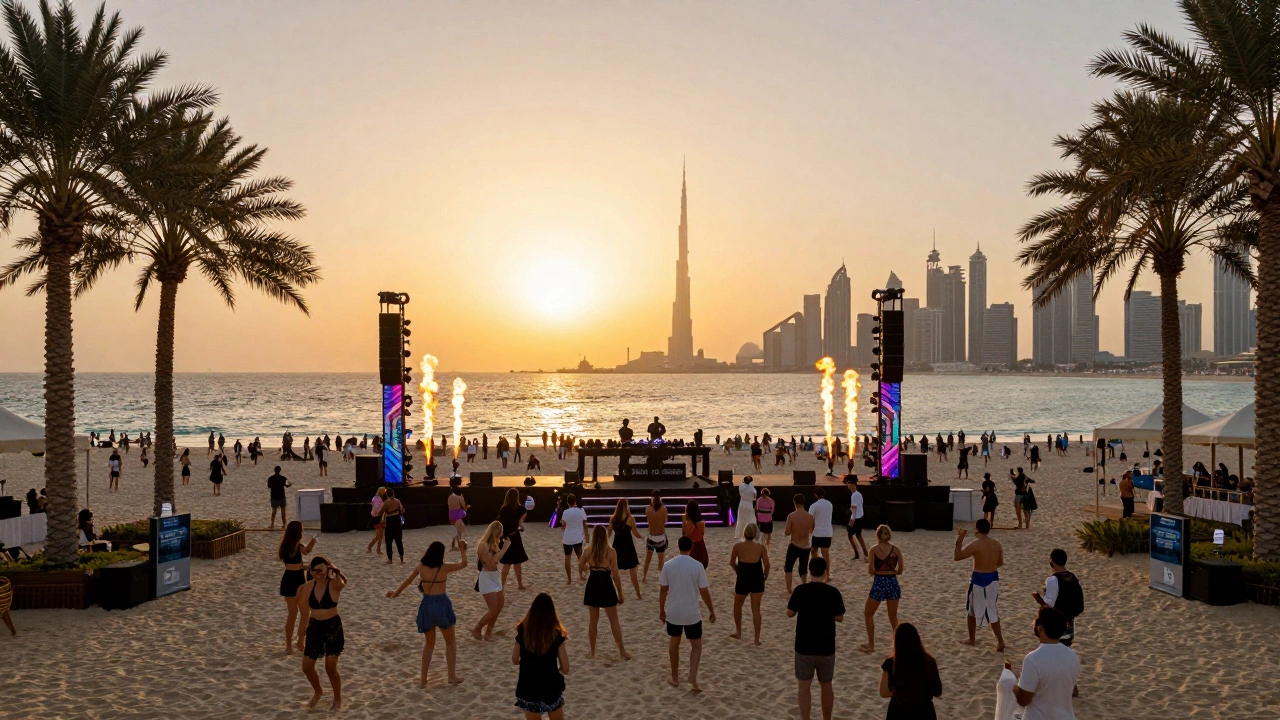
- The Beach at JBR - Open-air stages with views of the Arabian Gulf, hosting monthly sunset sets from global headliners like Charlotte de Witte and Amelie Lens.
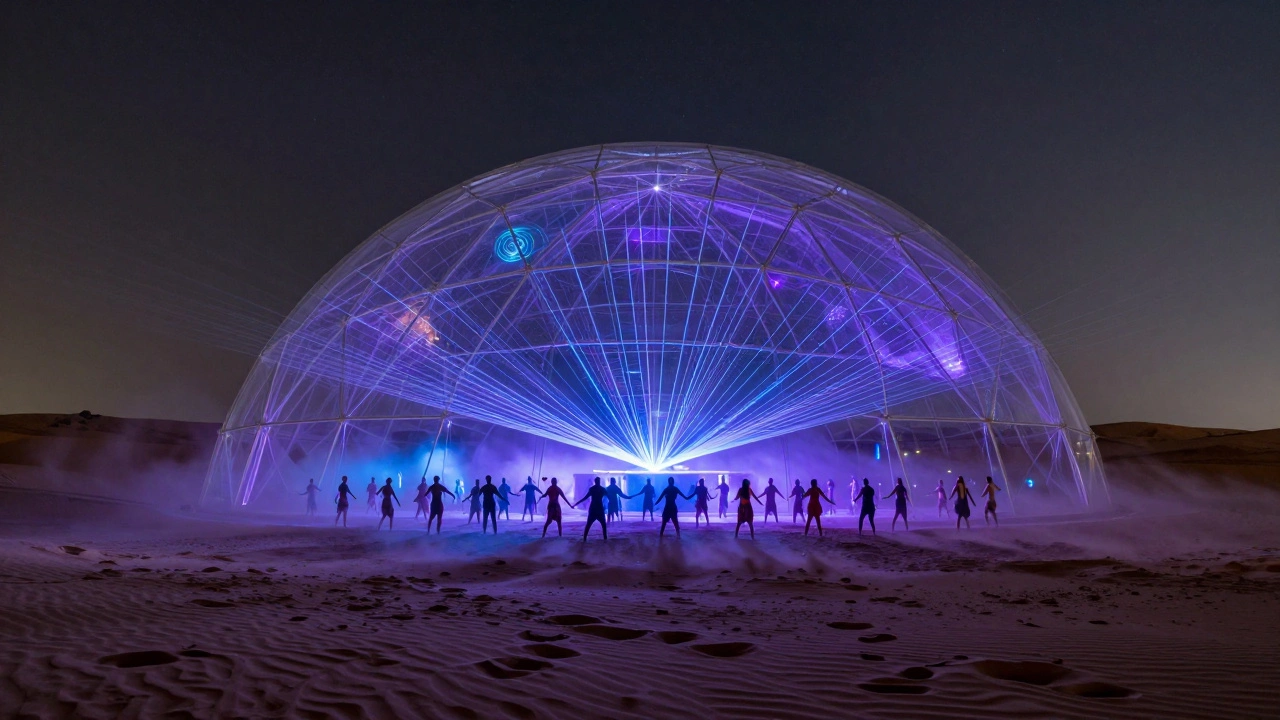
- Desert Dome - A climate-controlled dome built into the dunes, where 10,000 people dance under holographic skies synced to the beat.
- City Walk Underground - A hidden basement club beneath a shopping mall, known for its minimal techno nights and no-phone policy.
These aren’t tourist traps. They’re institutions. Many locals treat them like churches-quiet before the set, reverent during, and euphoric after. The vibe is less about showing off and more about losing yourself in the music.
The People Behind the Scenes
Behind every great event in Dubai are the unsung heroes: sound engineers who recalibrate gear at 3 a.m., lighting designers who program 200 moving heads to sync with one kick drum, and promoters who work with the police to ensure crowd flow never breaks. Many of them are expats-Russians, Germans, South Africans-who moved to Dubai because no other city offers the same blend of freedom, funding, and technical support.
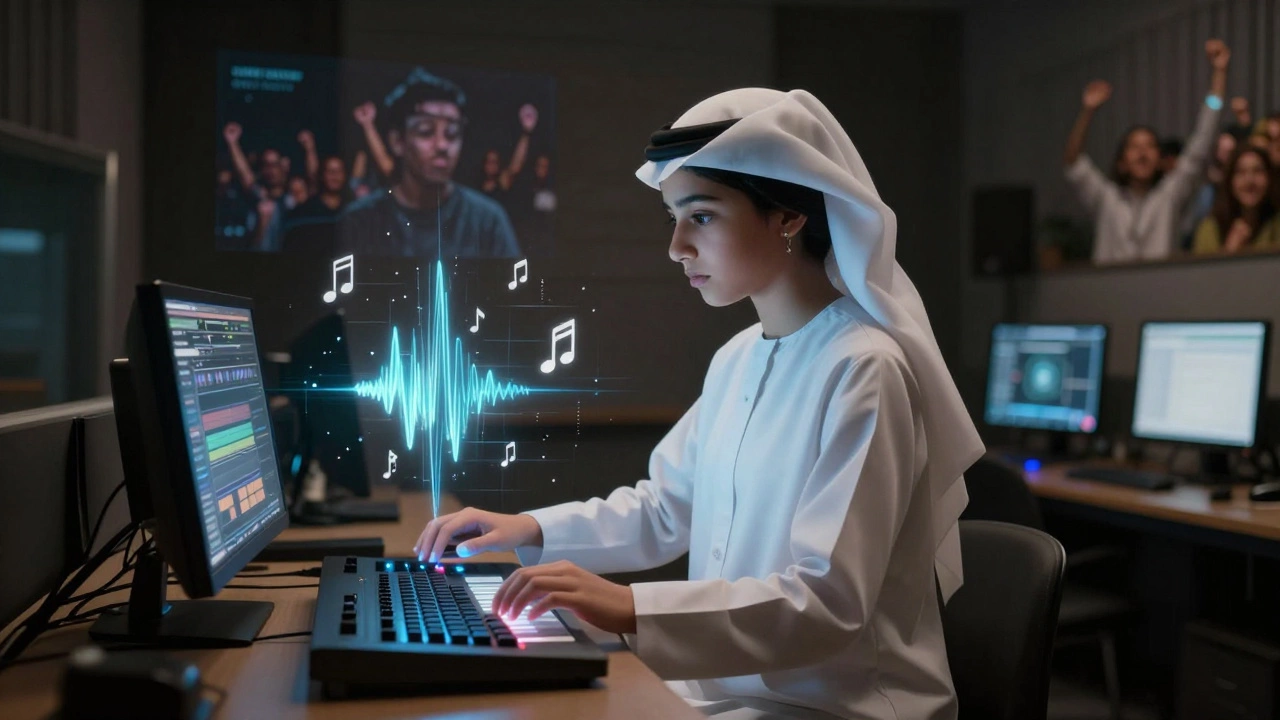
And then there are the local youth. Teenagers in Dubai now grow up learning Ableton Live in school labs. High school bands are turning into electronic duos. A 16-year-old girl from Sharjah won a national DJ competition last year and opened for Armin van Buuren at Dubai World Trade Centre. That wouldn’t happen in most places.
Why It’s Not Just About the Music
Dubai’s electronic scene thrives because it’s not just about parties. It’s about identity. For young Emiratis, it’s a way to express individuality in a society that often demands conformity. For expats, it’s a lifeline-a community that doesn’t ask where you’re from, only how hard you can dance.
The city’s strict rules on public behavior don’t kill the scene-they shape it. There are no open alcohol sales after midnight, so people drink water, energy drinks, or herbal teas. No drugs are allowed, so the focus stays on the music, not intoxication. And because of that, the experience is cleaner, safer, and more intense. You don’t need to escape reality to feel something here-you just need to show up.
Some visitors come for the glitz. Others come for the nightlife. But the ones who keep coming back? They come for the sound. The way the bass hits the sand at Desert Dome. The way the lights reflect off the water at JBR. The way strangers become friends after three songs. That’s the magic.
And yes, you’ll hear whispers about prostitues in dubai-but those stories are old news. The city cracked down hard in 2022. Today, the only thing you’ll find on the streets after midnight is people walking to the next club, headphones on, phones off, hearts open.
What You Need to Know Before You Go
- Always book tickets through official channels. Fake tickets are common on third-party sites.
- Wear light, breathable clothes-even indoors, venues are kept cool to manage humidity.
- Bring a valid passport. ID checks are random but mandatory.
- Download the Dubai Events app. It syncs with your hotel and gives real-time updates on crowd levels and transport.
- Respect the silence. No loud talking during sets. It’s not just etiquette-it’s law.
And if you’re wondering about dubai escort girls? Don’t. The scene doesn’t need it. The music is enough.
The Future: What’s Next for Dubai’s Sound
In 2026, Dubai plans to launch the first AI-powered music festival. Artists will perform live, but the lighting, visuals, and even the setlist will adapt in real-time to crowd energy, tracked by wearable sensors worn by attendees. It’s not sci-fi-it’s already in testing. And it’s being built by a team of Emirati engineers and Dutch sound designers.
Dubai isn’t trying to be the next Berlin or the next Miami. It’s building something new: a place where technology, culture, and human connection meet at the frequency of a kick drum. And for electronic music lovers, that’s the only destination that matters anymore.